

Alumni Forum explores mental health challenges
Posted: 23 September 2026
To mark World Suicide Prevention Day and Australia’s R U OK? Day, which coincided on 10 September this year, Australia Awards – Nepal held an online session on ‘Mental Wellbeing and Self-Care’ as part of its ongoing Alumni Forum series. The session featured mental health experts Dr Basu Dev Karki, Dr Kamal Gautam and Sandhya Khatiwada, who shared their insights and practical advice about promoting mental wellbeing. More than 30 alumni and scholars participated in the session, which was facilitated by alum Manil Raj Maharjan.
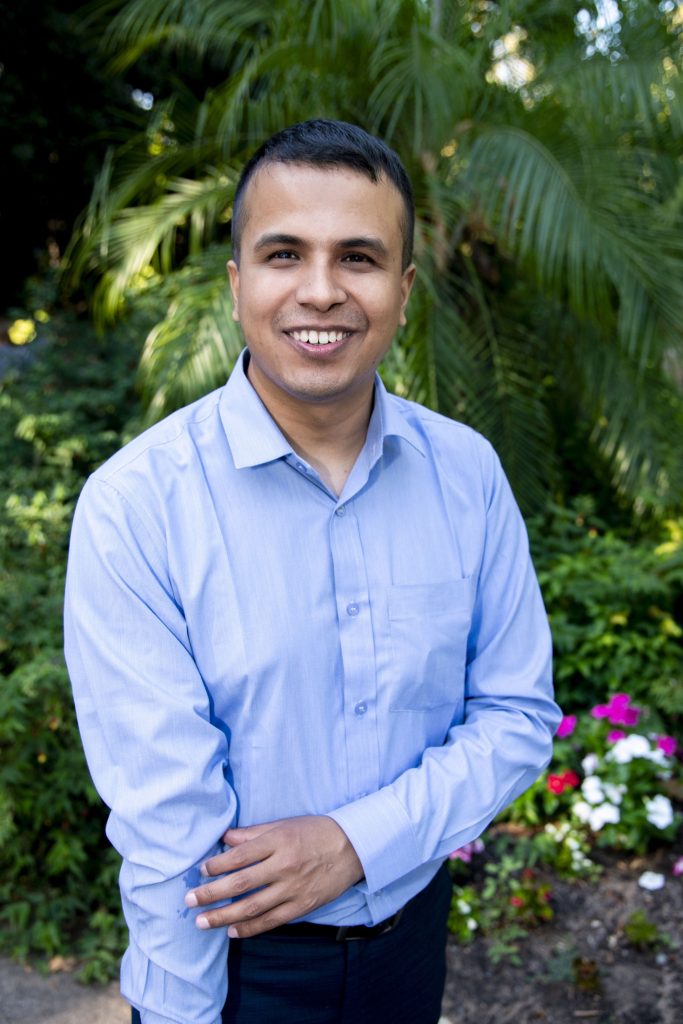
Facilitator and alum Manil Raj Maharjan.
Mental health challenges, particularly self-harm and suicide, continue to be significant public health concerns globally. Manil noted that research indicates that around 20% of children and adolescents worldwide experience emotional, behavioural or other mental health difficulties. While factors such as traumatic experiences, existing health conditions and uncertainty can affect mental wellbeing, crises and natural disasters often intensify these challenges. Reflecting on the recent flooding in central Nepal’s Bothe Koshi–Trishuli river corridor and the resulting loss of lives and property, Manil emphasised the importance of maintaining mental wellbeing to build resilience during difficult times.
Dr Karki, Senior Consultant Psychiatrist at the Mental Hospital in Lagankhel, discussed the psychological impact of disasters and crises. He explained that people often go through a range of emotional responses, including denial, grief and distress, before gradually coming to terms with loss. Experiencing emotional difficulties during a crisis is a normal human response, he noted. However, when individuals struggle to cope with overwhelming circumstances, they may become vulnerable to serious mental health concerns, including suicidal thoughts. Dr Karki encouraged people to seek professional support when needed.
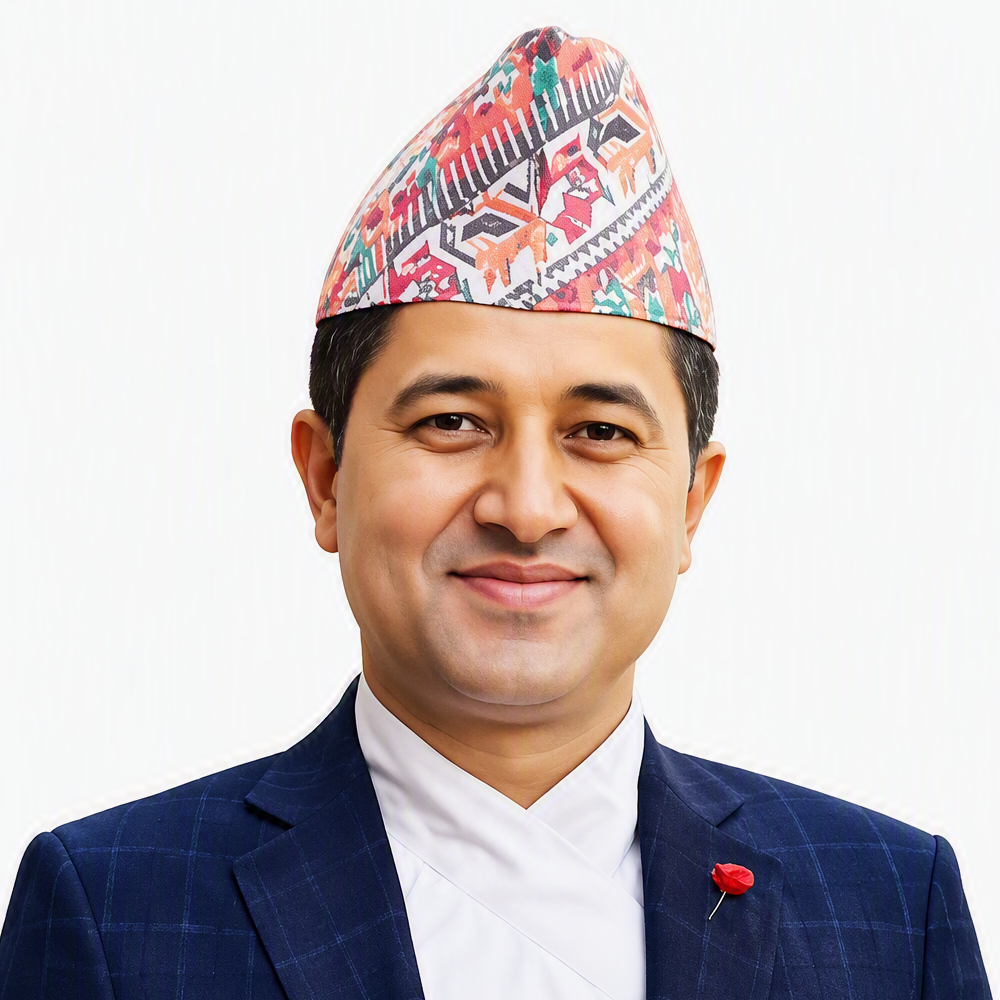
Dr Basu Dev Karki.
Dr Gautam, Executive Director of Transcultural Psychosocial Organisation Nepal, addressed common myths and misconceptions surrounding mental health and suicide. He highlighted that stigma often prevents people from speaking openly about their struggles or seeking help. He encouraged open conversations about mental health, stressing that timely support and treatment can significantly improve outcomes and prevent problems from escalating.
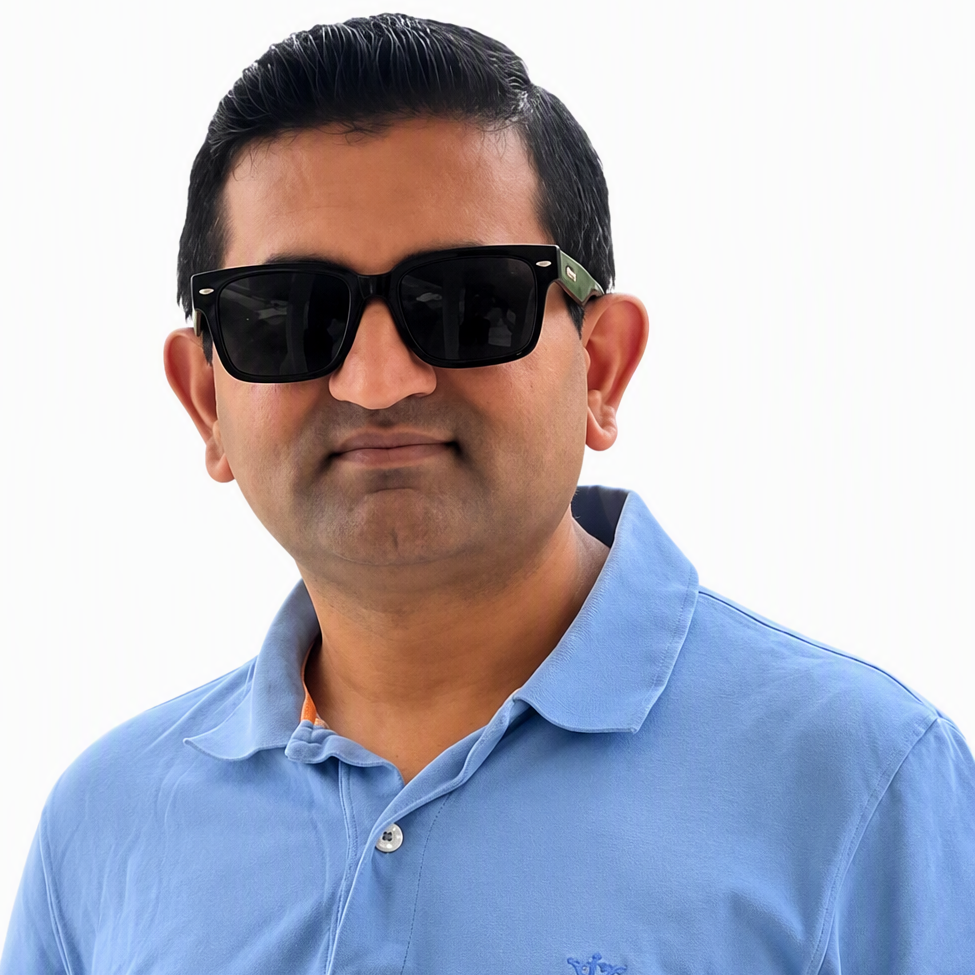
Dr Kamal Gautam.
Drawing on her experiences during Nepal’s 2015 earthquake and the COVID-19 pandemic, Sandhya, Psychologist at the Executive Office of Kathmandu Metropolitan City, shared practical strategies for maintaining mental wellbeing and practising self-care during times of crisis. These strategies included limiting exposure to misinformation and distressing news, talking to trusted friends and family members, strengthening social connections, seeking professional support when needed, and adopting healthy habits—such as maintaining good sleep hygiene, eating nutritious food, practising yoga and meditation, and engaging in deep-breathing exercises. She noted that these practices can be particularly valuable for scholars studying away from their families and support networks.
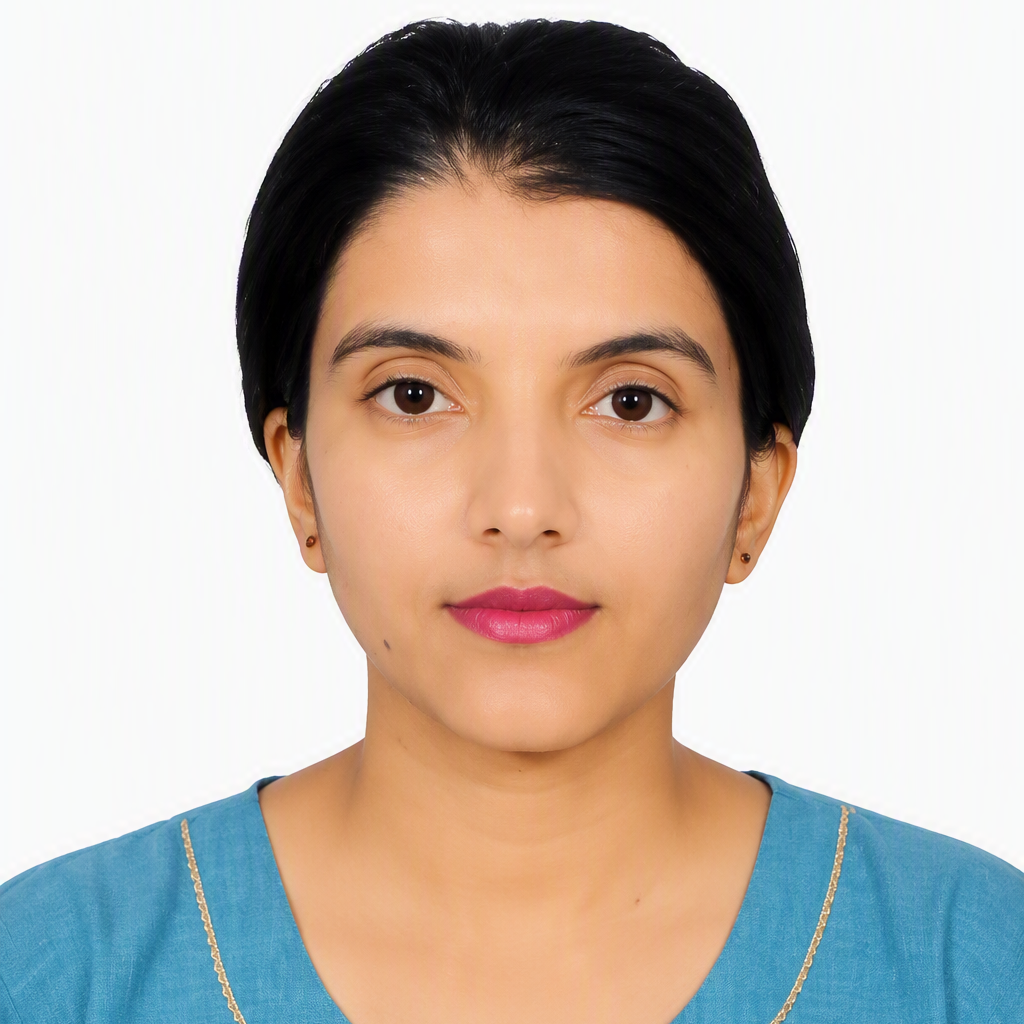
Sandhya Khatiwada.
The session concluded with an engaging Q&A discussion, during which participants explored a range of topics, including government policies and services related to mental health, as well as the role alumni can play in promoting mental wellbeing and self-care in their communities.
Australia Awards – Nepal’s ongoing Alumni Forum series provides opportunities for alumni to lead discussions and share their expertise on topics of contemporary relevance. In addition to enhancing participants’ knowledge and understanding, the forum series recognises and showcases the valuable contributions and expertise of Australia Awards alumni.