

Nepali scholars reflect on culture, healing and creativity ahead of NAIDOC Week
Posted: 2 July 2026
Ahead of NAIDOC Week 2026 (5–12 July), Australia Awards scholars from Nepal have been learning first-hand about Australia’s First Nations peoples. NAIDOC Week is an annual celebration of the cultures, histories and achievements of Aboriginal and Torres Strait Islander peoples.
Nepali scholars Rubina Bishunke and Rita Baramu, together with nine other scholars, travelled to South Australia’s Ikara-Flinders Ranges National Park from 22 to 25 May to learn about the Adnyamathanha people under the guidance of John Solar, a Yura man and Adnyamathanha cultural educator. (Read more about scholars’ own reflections on the experience via these links: Rubina Bishunke, Rita Baramu)
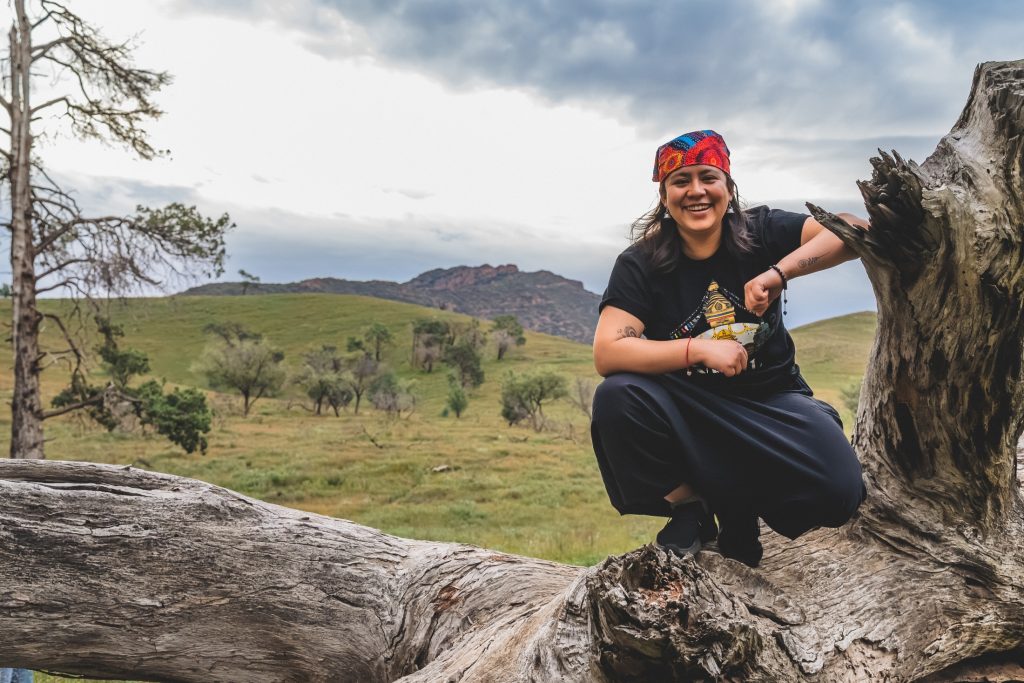
Nepali scholar Rubina Bishunke in the Ikara-Flinders Ranges National Park.
During their time on Adnyamathanha Country, John shared Yura Muda (creation stories), spoke in language, and highlighted plants that Adnyamathanha people used for medicine, ceremony and food. Activities included hiking to Akurra Adnya (Arkaroo Rock), one of the most culturally significant and sacred Adnyamathanha rock art sites and looking for native animals, including Andu (yellow-footed rock-wallabies) and witchetty grubs—the English name of which derives from the Adnyamathanha word witjuri.
One evening, John showed the scholars how to make fire and cook damper, a traditional unleavened bread made from a simple dough of flour, salt and water or milk, cooked in hot coals. Indigenous Australians had been making similar types of bread for tens of thousands of years before European settlement.
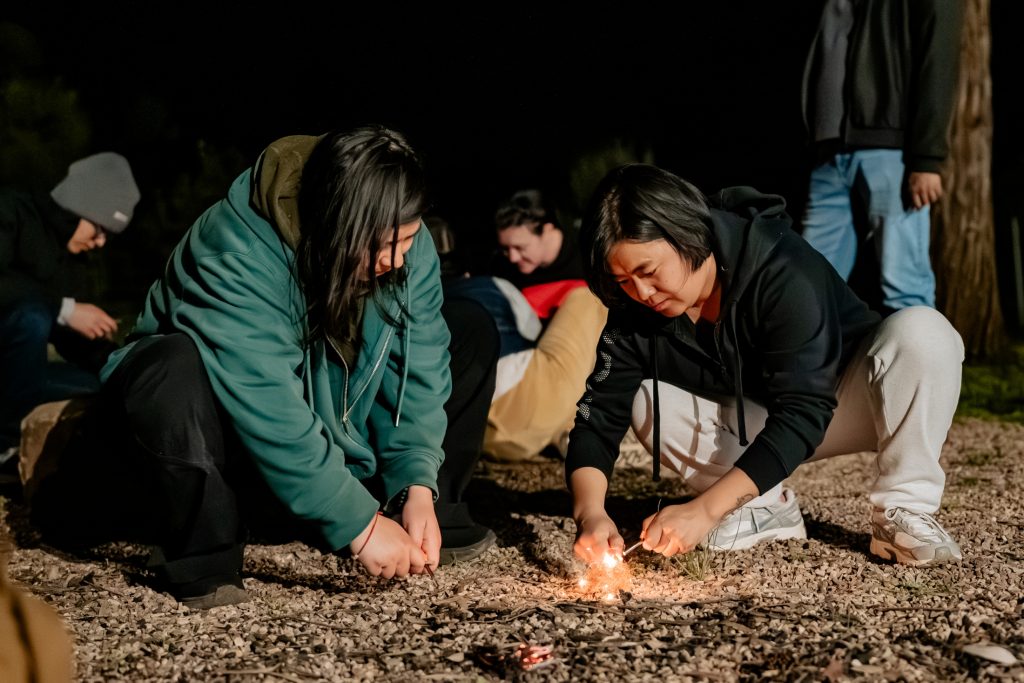
Nepali scholars Rubina Bishunke (left) and Rita Baramu (right) try their hand at making fire.
Rubina welcomed the cultural exchange and knowledge imparted by John during the tour. “From the moment John welcomed us through the smoking ceremony, I heard the whisper of the Country that guided us to a safe and inclusive space to share our curiosity,” she says. “Following John with our careful footsteps, we were also paving the way to see ourselves.”
For Rita, an indigenous woman herself, the visit had added significance. “As a Baramu indigenous woman from Nepal, this tour has been a healing experience. Growing up, my indigeneity often felt distant and disconnected from my everyday life. I struggled to relate to or take pride in my own culture and heritage,” she says. “In many ways, I was made to feel ashamed or uncertain about being Baramu. This was shaped by a broader political and economic system rooted in colonial and imperial legacies, which encouraged me to value global popular culture more than my own cultural traditions.”
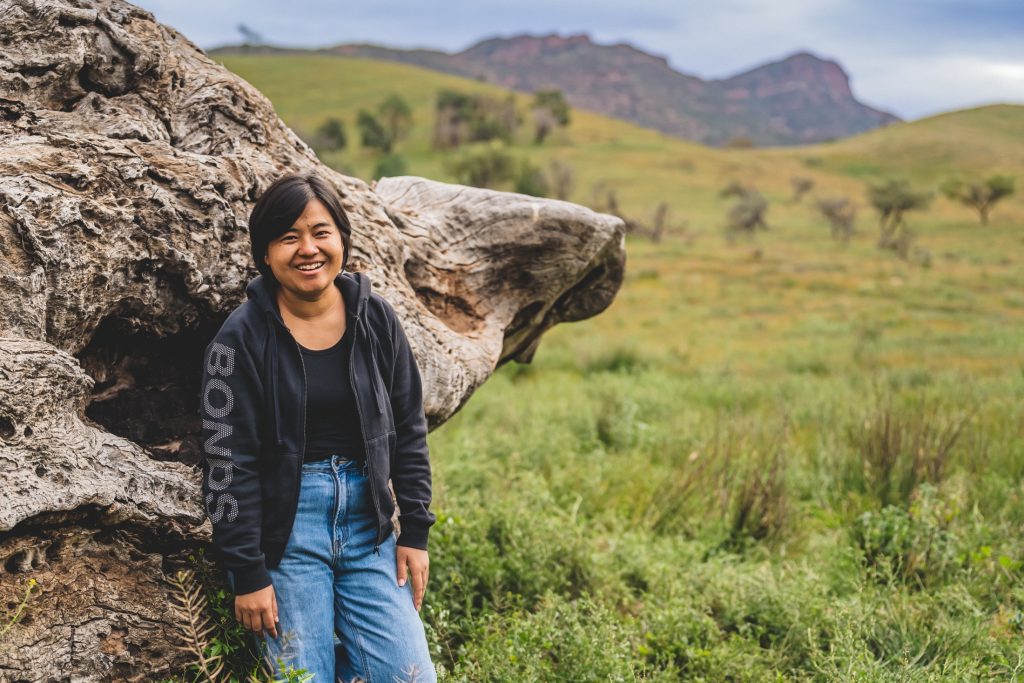
Nepali scholar Rita Baramu in the Ikara-Flinders Ranges National Park.
This context made the experience emotionally moving. “This tour created a space for healing through the stories of similar values and resilience shared by the Adnyamathanha people and Aboriginal communities in Australia. Listening to John share their histories, cultural practices and value systems, I found many points of connection with my own experiences and those of my community,” Rita says.
In June, 11 Australia Awards scholars from Nepal participated in weaving workshops delivered by Ronnie Jordan, a Pitta Pitta Wangkamahdla woman, artist, weaver and cultural facilitator. Each scholar received materials in advance, allowing them to participate actively and follow Ronnie’s demonstrations during the workshops.
In the workshops, Ronnie explained that weaving is grounded in knowledge of Country, natural materials and community practice. She described how cultural knowledge is shared through generations and how woven objects can hold meaning beyond their practical use.
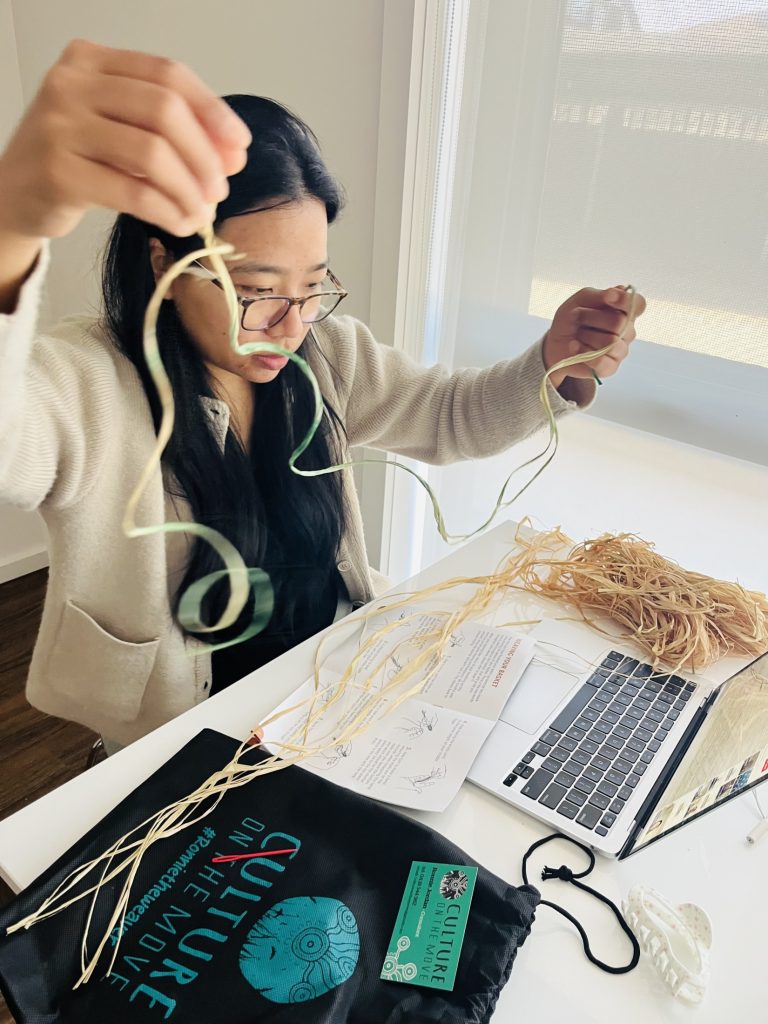
Nepali scholar Ganga Gurung participating in the weaving workshop.
Scholars learnt about traditional materials and techniques, including the preparation of fibres and the creation of woven items such as baskets, nets and traps. Ronnie also discussed the importance of sustainability, including taking only what is needed and respecting the natural environment.
The workshops gave scholars a chance to try weaving for themselves and to reflect on the cultural knowledge behind the practice. Through the activity, participants deepened their understanding of First Nations cultures and the continuing importance of cultural learning, creativity and connection to Country.
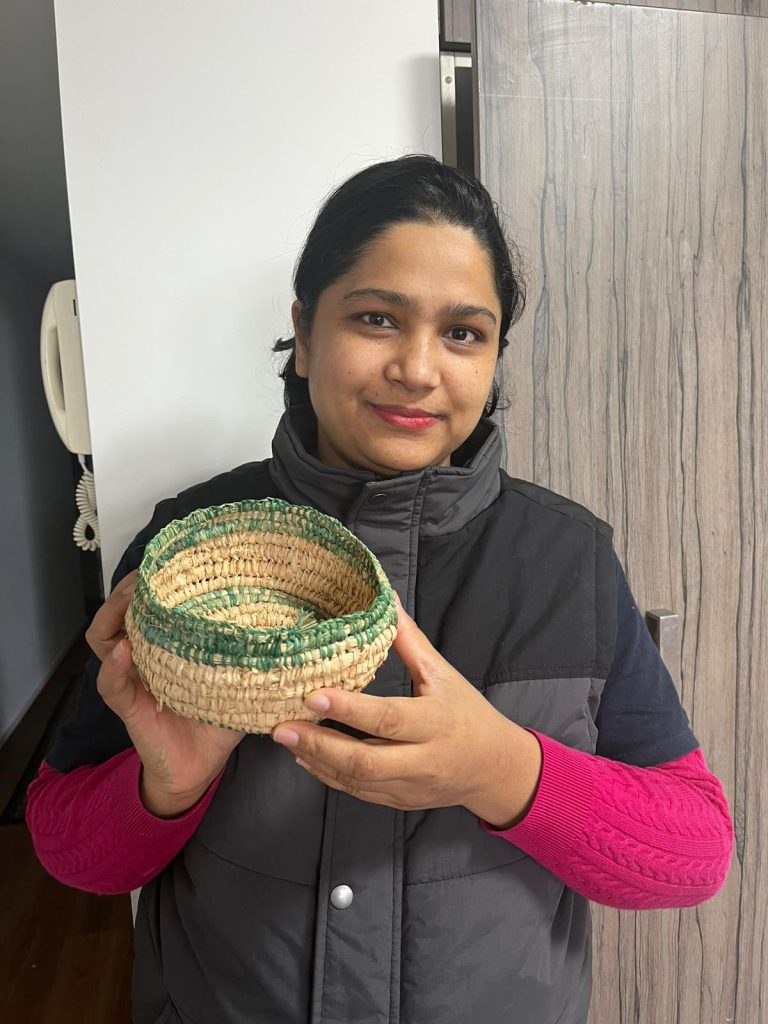
Nepali scholar Jyoti Ghimire holds her handiwork following the weaving workshop.
“This workshop not only provided valuable insights into Indigenous cultural practices but also fostered a deeper sense of cultural connection and respect for Indigenous people and knowledge,” says Nepali scholar Rabin Gyalang.
For Nepali scholar Ganga Gurung, the workshop brought back memories of home. “The Aboriginal weaving experience helped me connect with my farming roots back home where, during the rice harvesting season, my grandmother would weave beautiful tiny mats or wall-hanging decor items using rice straw,” she says. “As Ronnie suggested, weaving helped me feel grounded while using my own hands to create something. I had a beautiful experience overall.”

Nepali scholar Pushpa Gnawali put her finished basket to good use following the workshop.
Also in June, several scholars from Nepal participated in an Aboriginal Cultural Connection Workshop. The two-hour session, which was hosted by the North & West Melbourne Neighbourhood Centre in collaboration with Yarn Strong Sista, offered the scholars the chance to learn about Aboriginal culture through storytelling, conversation and creative activities in a welcoming community environment.
The workshop concluded with a hands-on ochre-inspired art activity guided by artist Annette Sax, a proud Taungurung woman from the Eastern Kulin Nation. Annette encouraged the scholars to be creative with natural materials while sharing their own cultural identity stories.
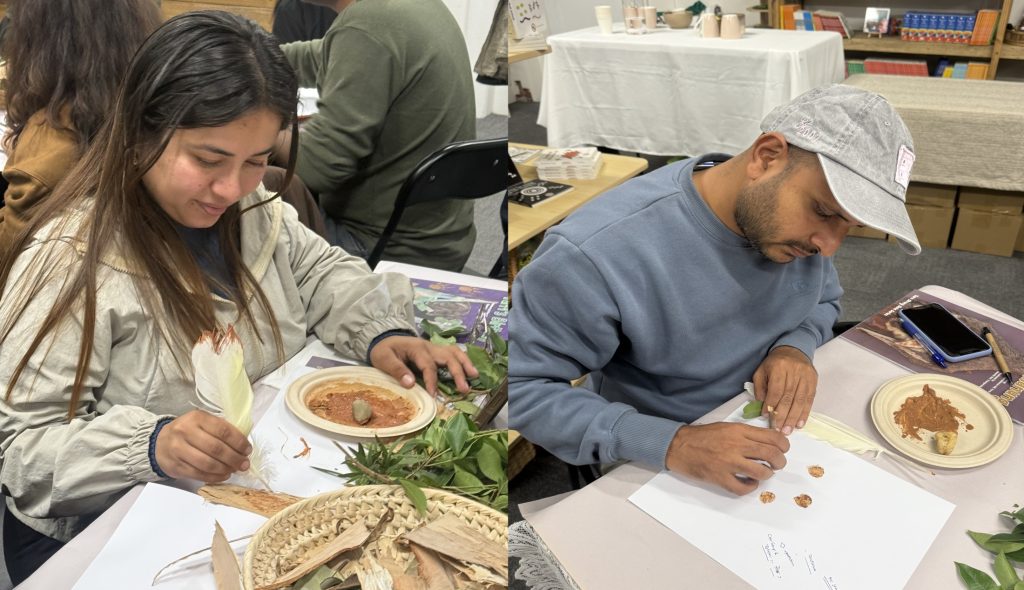
Nepali scholars Ganga Kumari Pokharel and Baburam Acharya participate in the art exercise under the guidance of Taungurung artist Annette Sax.
Collectively, these experiences gave the scholars practical and reflective ways to engage with First Nations Australians and learn about their cultures and knowledge systems. As NAIDOC Week approaches, their reflections highlight how cultural learning can deepen respect and create connections across countries and communities.