

Beyond a degree: A mother’s journey to build inclusive water solutions
Posted: 13 August 2026
This year marks the 75th anniversary of Australian Government scholarships for students from the Asia-Pacific region, with the first scholarship recipients travelling to Australia under the Colombo Plan in 1951. To commemorate this significant milestone, Australia Awards – South Asia & Mongolia launched the Alumni Impact Storytelling Competition to celebrate the outstanding contributions alumni have made to the development of their countries.
The competition invited alumni to showcase the impact they have created and reflect on how their Australia Awards experience has helped shape their personal and professional journeys.
Nepali alum Anju Pandit entered both the written storytelling competition and the image storytelling competition. Her photo submission was highly commended by judges, who noted how effectively the images illustrated the breadth of her work applying her Australia Awards experience in Nepal. Together, the photographs captured women participating in education activities, project beneficiaries engaged in field-based programs, local government meetings and community workshops, helping to tell a broader story of development impact.
Anju completed a Master of Science (Water Resource Management) at Flinders University in 2021. The photographs featured throughout the story below were submitted as her entry to the image storytelling competition, while the accompanying text formed her written storytelling competition entry.
Beyond a degree: A Mother’s Journey to Build Inclusive Water Solutions
As a mother of two, moving to Australia as a single caregiver to pursue a master’s degree in water resources management and planning was both exciting and demanding. Motherhood didn’t sit outside my academic journey; it shaped it. Caring for my children deepened my understanding of water as something more than a resource—it is essential to health, dignity and everyday life. The Australia Awards Scholarship became a life-changing opportunity in which my children were not a barrier, but a source of strength, supported by the world-class services provided throughout the journey.
Balancing studies with full-time caregiving was not easy, but it became one of the most rewarding parts of the experience. This lived reality transformed me from a general water researcher into a gender equality and social inclusion-responsive springshed management specialist, helping me see water systems not just through technical lenses, but through the lived experiences of the women, families and communities who depend on them. I returned home with practical skills, especially in GIS and data-driven planning, and a stronger commitment to apply them in ways that are both technically sound and socially inclusive.
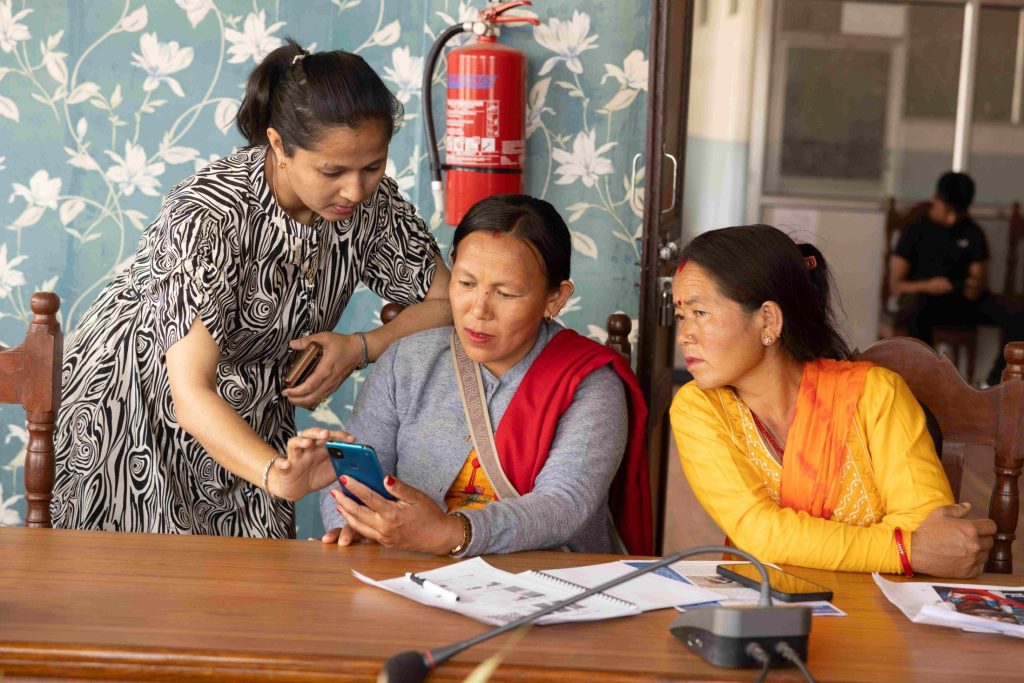
Empowering communities through knowledge: When women have access to knowledge, communities transform, empowering decisions, and knowledge transfers at community level.
Back home, I focused on turning these learnings into action. I realised that although communities rely heavily on springs, there was very little accessible data about these sources. To address this, I helped develop a simple mobile application using ArcGIS, designed so that even non-technical users could map their own water resources. Working with local governments, I trained around 180 community resource persons, consisting of local people who best understand their landscapes. Together, they mapped nearly 7,000 springs and ponds across nine municipalities, covering about 850 square kilometres.
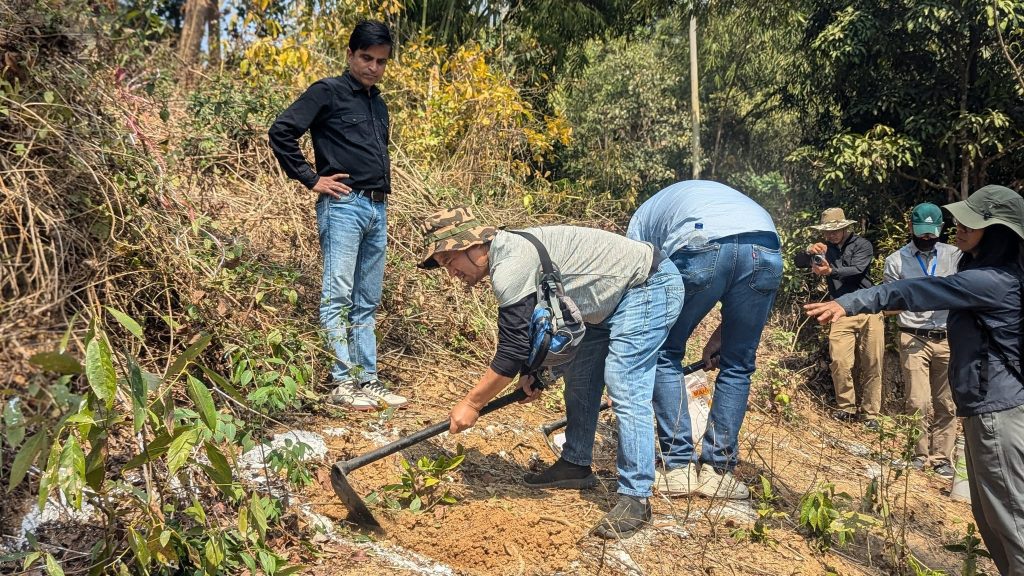
Community mobilisation: Restoring springs, restoring hope, communities coming together with hands in the soil, leading efforts to revive water sources and build resilience from the ground up.
More than the numbers, what mattered was the shift of communities moving from passive users to active stewards of their water resources. This initiative was never just about collecting data; it was about building a sense of ownership and creating real change. The information gathered by communities was formally handed over to local governments, where it is now being used to guide decisions on water planning and management.
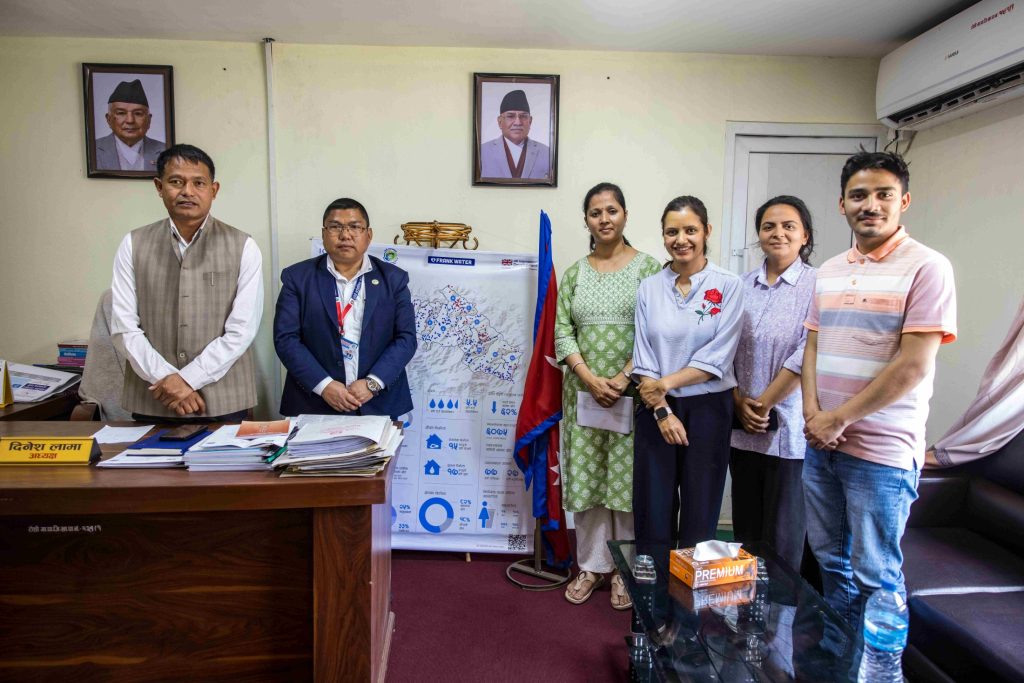
From mapping to action: Turning evidence into action for water-secure and climate-resilient communities through decision support tools for the local government.
Over time, the impact has grown beyond local use, with international organisations drawing on these datasets to design more informed, evidence-based projects. It has also contributed to research, adding to the growing understanding of springshed management in the region.
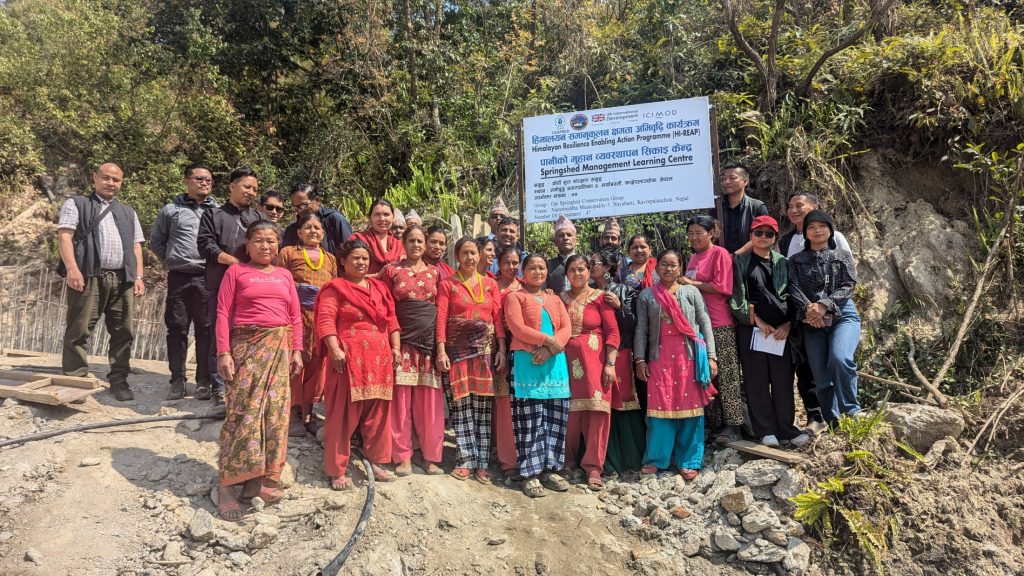
Community learning centre: Where knowledge meets community strength. Local voices leading the revival of springs and the future of water security.
For me, this journey reflects the true value of Australia Awards. It was not just about earning a degree, but about building the confidence to connect science, technology and community practice in ways that create real impact. As a mother and a professional, I have seen how change becomes possible when knowledge is applied with purpose and inclusivity, especially when it reaches those who need it most.
More than the scale of the work, what matters most to me is that communities are now better equipped to understand and manage their own resources. Enabling that shift—from dependence to stewardship—has been the most powerful outcome of my journey. And for me, this is just the beginning of a much longer journey ahead.